Fetal Alcohol Spectrum Disorder (FASD) Awareness Program



The DrinkWise Fetal Alcohol Spectrum Disorder (FASD) Awareness Program aims to create greater awareness among Australians that FASD is 100% preventable.
It’s a reminder to Australians about the importance of not drinking alcohol when planning a pregnancy or when pregnant – and that it’s safest not to drink alcohol when breastfeeding.
We recognise that rates of abstinence in pregnancy have improved over the past decade but there’s still more work to be done and ongoing education is critical, which is why DrinkWise works with experts from the medical industry and well-known parents and parents-to-be to help spread this important health message.
International Fetal Alcohol Spectrum Disorder (FASD) Awareness Day – Wednesday 9 September 2026
Obstetrician, gynaecologist and fertility specialist at Frances Perry House and The Royal Women’s Hospital, Dr Chelsea Glennon and Melbourne Cup-winning jockey, trainer and mum-to-be Michelle Payne have lent their voices to the 2026 DrinkWise FASD Awareness campaign. It’s a reminder to mums, mums-to-be and their support networks (partners, friends and family) that FASD is 100% preventable by abstaining from alcohol when pregnant or planning a pregnancy – and that it’s safest not to drink alcohol when breastfeeding.
Video: Fetal Alcohol Spectrum Disorder or FASD is 100% preventable. This is why obstetrician, gynaecologist and fertility specialist, Dr Chelsea Glennon has supported the campaign to remind Australians about the importance of not drinking alcohol if planning a pregnancy, during pregnancy or when breastfeeding.

Video: Melbourne Cup-winning jockey, trainer and mum-to-be, Michelle Payne wanted to give her baby the best start to life so she made the decision not to drink alcohol during her pregnancy.
Obstetrician, gynaecologist and fertility specialist at Frances Perry House and The Royal Women’s Hospital, Dr Chelsea Glennon, believes clear information about alcohol and pregnancy needs to reach women, partners and families before and throughout the pregnancy journey.
“FASD is a permanent, lifelong condition that can occur when a baby is exposed to alcohol during pregnancy. Alcohol exposure can affect the parts of a baby’s brain responsible for learning, memory, behaviour, language and decision-making.
“My advice as an obstetrician and a mum is simple: FASD is 100% preventable so if you’re pregnant or planning a pregnancy, don’t drink alcohol. For women who are breastfeeding, not drinking alcohol is safest for their baby.
“Partners, family and friends have a critical role to play too. Small gestures – having non-alcoholic drinks on hand, or simply not pressuring a pregnant woman to drink – can make an enormous difference to how supported she feels.”
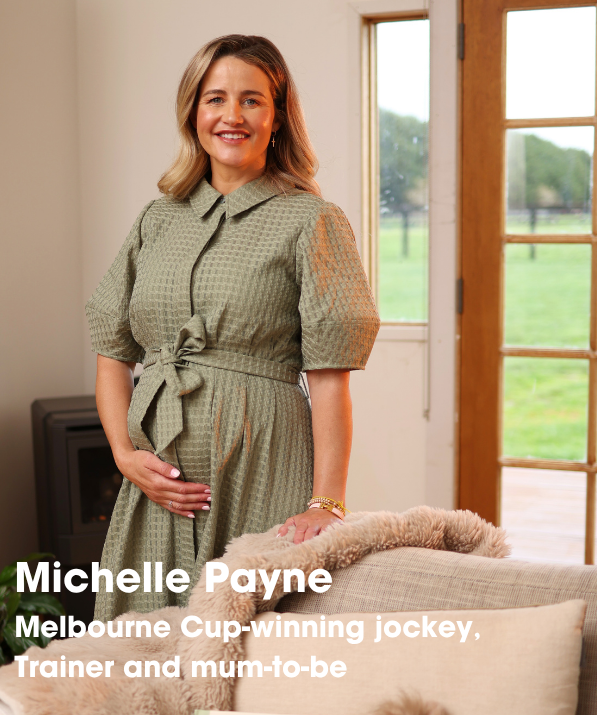
Michelle Payne, who made history in 2015 as the first female jockey to win the Melbourne Cup and has since transitioned into training, is now preparing for a very different milestone as she expects her first child. Known throughout her career for the discipline and preparation that carried her to the top of Australian racing, Payne says pregnancy has reinforced the importance of making informed choices long before the finish line.
“In racing, preparation is everything. You can’t control every outcome, but you can control the decisions you make in the lead-up – and pregnancy has made me think about that in a whole new way. I always knew the advice was to not drink alcohol when planning a pregnancy or while pregnant, but learning more about FASD really reinforced why that advice matters. For me, choosing not to drink while pregnant is a decision I can make to help give our baby the best start to life. If lending my voice gives even one woman more confidence in making that same choice, then it’s absolutely worth it.
“I also hope it reminds partners, family and friends that their support really matters. Whether it’s having non-alcoholic options available or simply backing someone’s decision not to drink, those small gestures can make a big difference.”
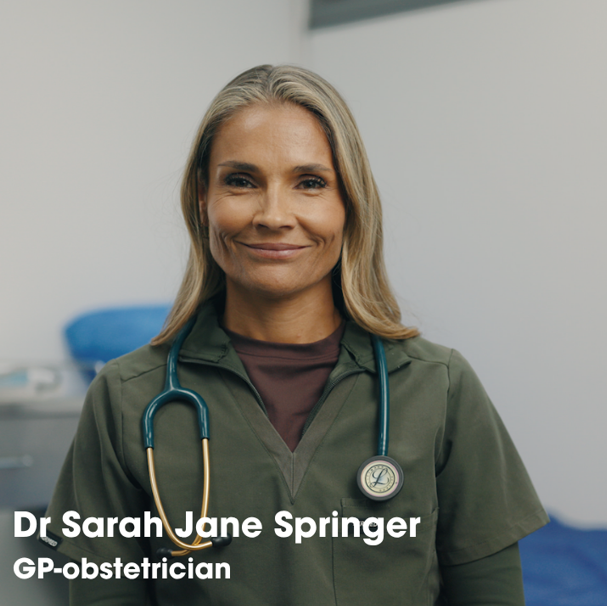 Dr Sarah Jane Springer, a proud Wiradjuri woman, GP-obstetrician and mum, is again lending her voice to help raise awareness that FASD is not just an issue for women in general, but for everyone – men, partners, friends and family.
For over two decades, Dr Springer has been caring for women and babies across rural and remote Australia, bringing not only medical expertise but also a deep respect for community, culture and continuity of care. She knows that supporting mothers to stay healthy during pregnancy is critical, not just for babies, but for the wellbeing of families and communities.
“FASD is permanent, but the good news is it’s 100% preventable if alcohol is avoided when trying for baby, during pregnancy and while breastfeeding. Even small amounts of alcohol can affect a bub’s brain — the parts that help with learning, memory, behaviour, language and making decisions.
“My advice to parents, parents-to-be and their support networks — and this includes partners, uncles, brothers, dads — is simple: don’t drink alcohol when planning a pregnancy, while pregnant, or when breastfeeding.
“This DrinkWise FASD campaign matters because it shares these messages in a way that feels culturally safe and relatable, with role models like Deb Mailman helping mob see themselves reflected. Keeping this yarn going is so important, because the more we talk about it, the more we can protect our next generation.”
If you or someone you know is an Aboriginal or Torres Strait Islander and are feeling overwhelmed or having difficulty coping, call 13YARN on 13 92 76 or visit 13yarn.org.au.
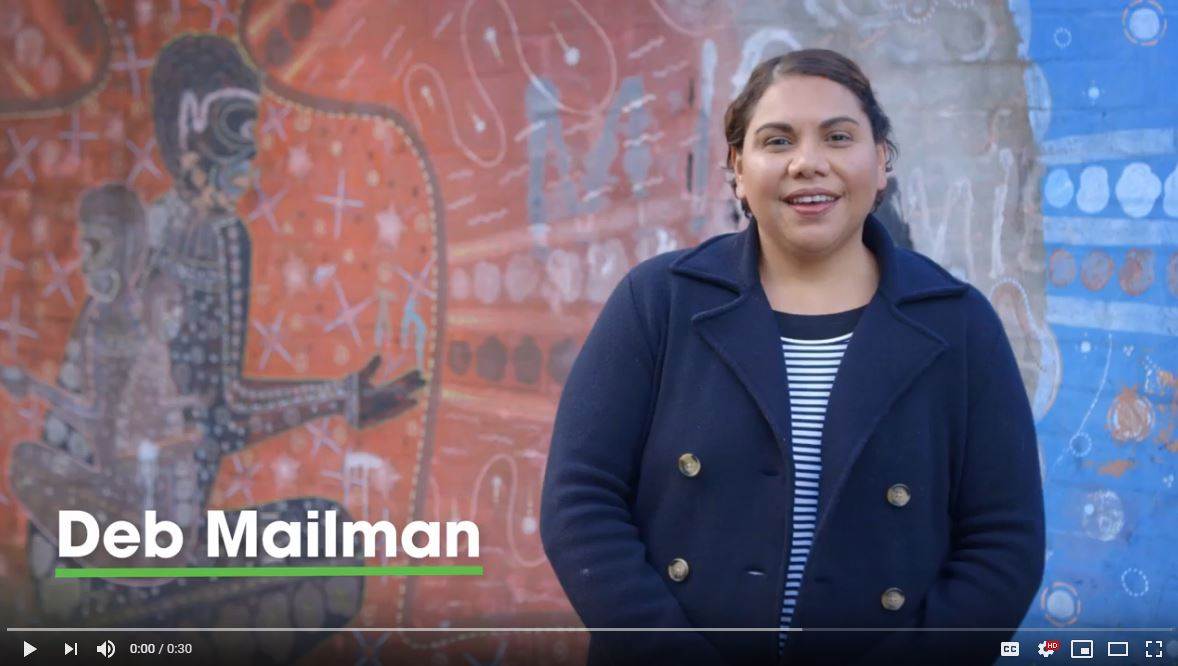
Aboriginal actor, Deb Mailman continues to lend her voice to amplify the important FASD message.
The commercial Deb made about FASD is being aired on the Indigenous Imparja television network.
“As a mum, the health and wellbeing of my kids is the most important thing to me. I didn’t drink alcohol while I was pregnant because of the risks of FASD.”
Backed by Research
As an evidence-based organisation, DrinkWise relies on key independent research and clinical advice to underpin our campaigns and programs.
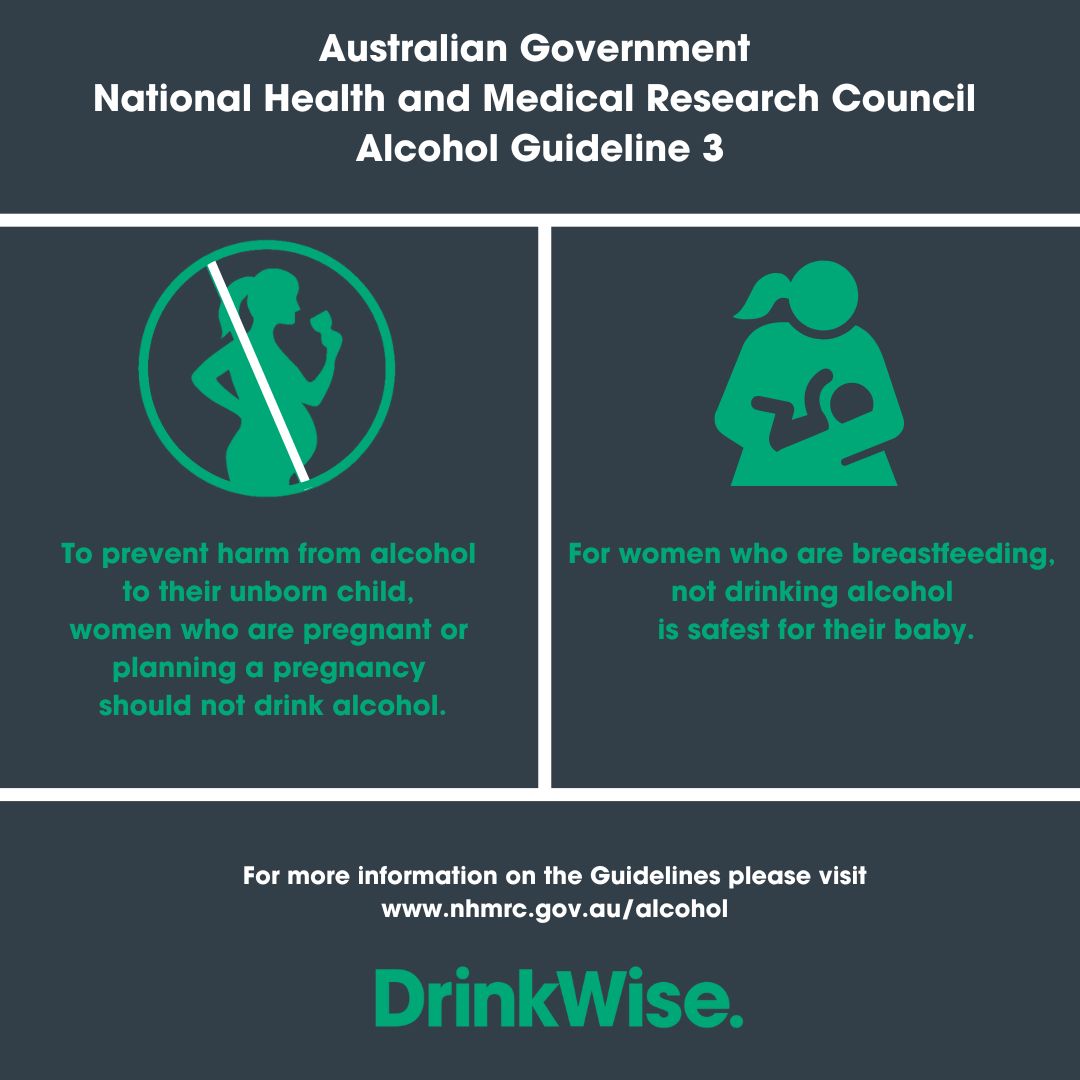
The Australian guidelines to reduce health risks from drinking alcohol (‘the Guidelines’) from the National Health and Medical Research Council (NHMRC) advise that to prevent harm from alcohol to their unborn child, women who are pregnant or planning a pregnancy should not drink alcohol. For women who are breastfeeding, not drinking alcohol is safest for their baby.
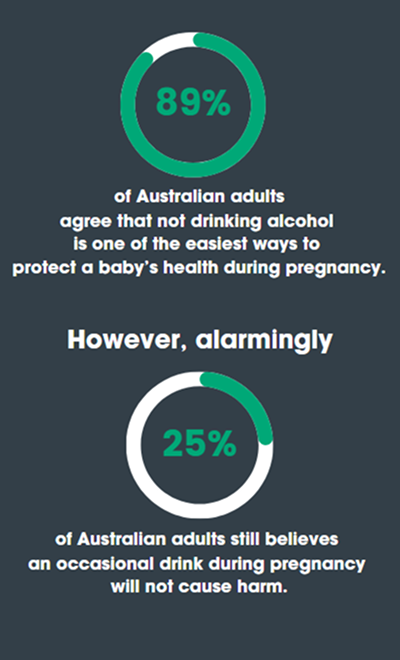
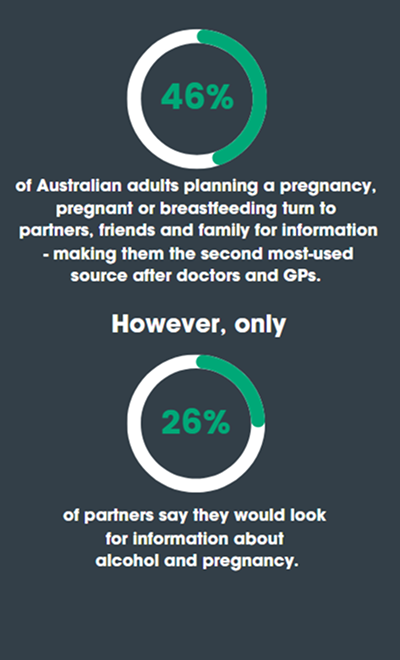
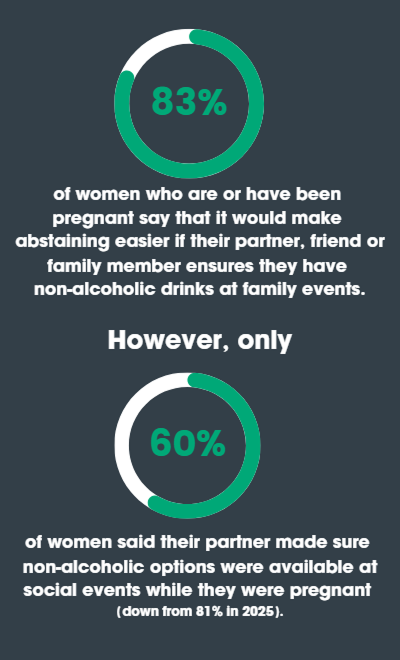
To test attitudinal and behaviour changes about abstaining from alcohol when planning a pregnancy, during a pregnancy or while breastfeeding, DrinkWise commissioned new research in 2026. Some of the key new findings from the 2026 research include:

 Video
Video